
- Docente: OLIVIERO FRATTOLILLO
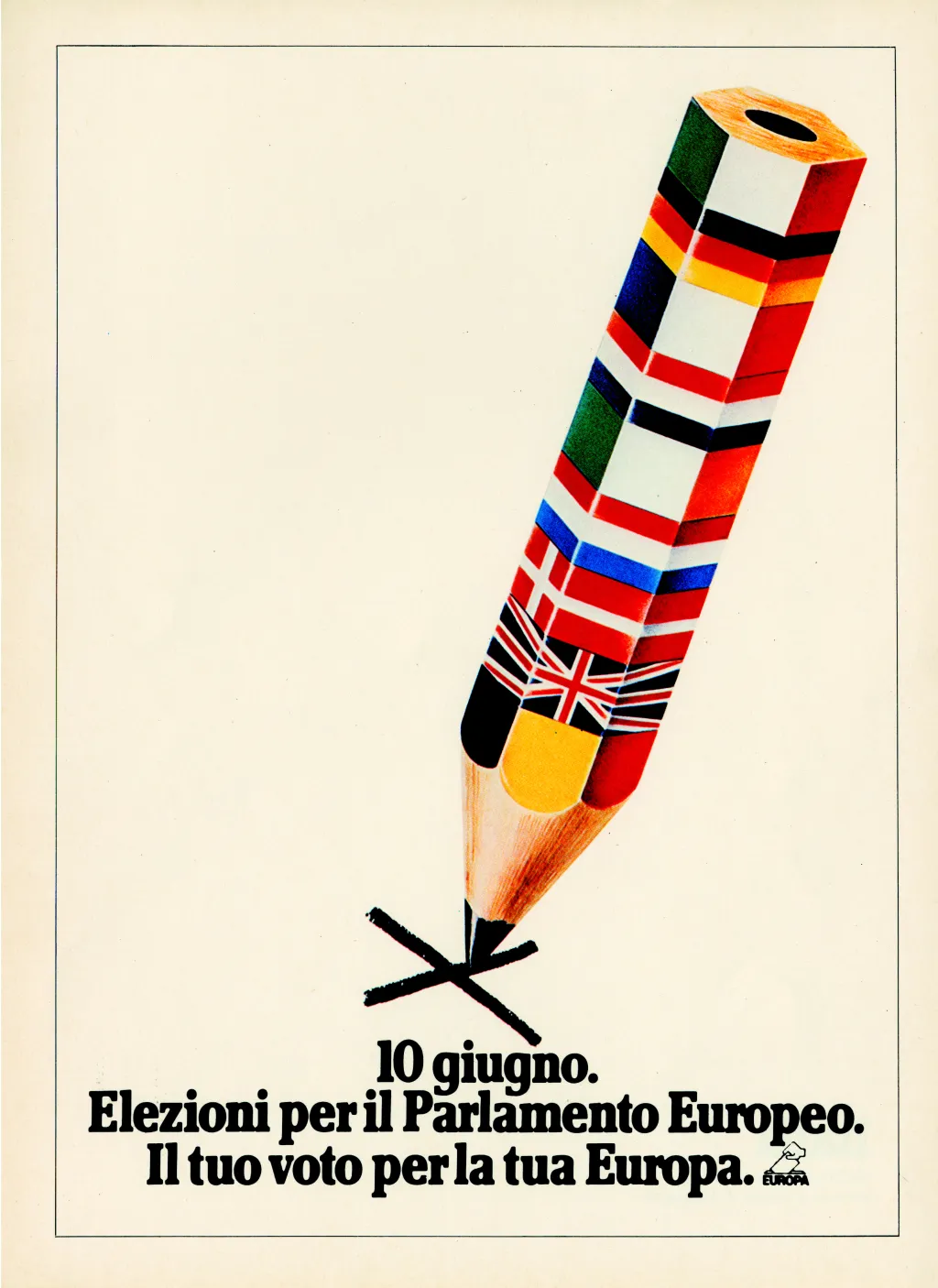 image005.jpg
This course explores how political institutions shape the decisions of governments, politicians, and other political actors, with particular attention to international relations.
The economic analysis of institutions combines economic theory—which explains how individuals respond to incentives—with the study of the rules and institutions that shape those incentives. We will examine how this interaction affects political decisions and ultimately the outcomes produced by different institutional arrangements.
The course uses theoretical models and real-world examples to address questions such as: Why do politicians make the choices they do? How do voting procedures affect the decisions and performance of international organizations? How do autocratic regimes actually function and evolve?
By the end of the course, students will have developed the analytical tools needed to understand and critically assess how institutions influence political behaviour, economic outcomes and international relations.
- Docente: Fabio Padovano
- Docente: livia lorenzoni
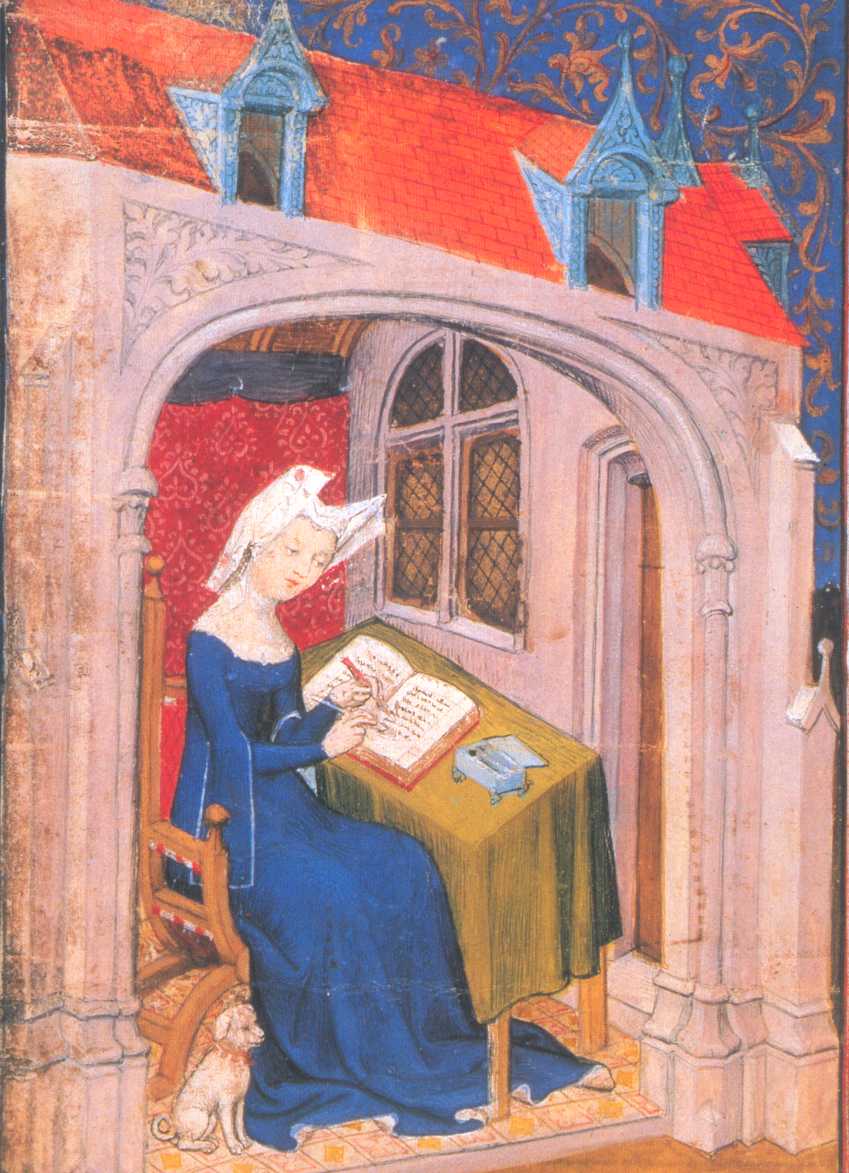
The course is based on the systematic analysis of the classic works and theories of antique, modern and contemporary political philosophy, throughout a gender perspective. That is to say of those works and theories in which great thinkers have revealed to us their thought about the political and social life of women. Beside this, the course will introduce the major modern and contemporary feminists, those thinkers, women and men dealing with the private and public role of women. The aim of the course is to fill a gap in our knowledge about history of political thought and to comprehend the assumptions behind deeply rooted modes of thought that continue to affect women’s lives in major ways.
- Docente: Roberta Adelaide Modugno
- Docente: DANIELA VERENA HUBER
- Docente: FLAVIO SILVESTRINI
- Docente: Valerio Gatta
- Docente: Leopoldo Nuti
- Docente: Daniele Fiorentino