
- Docente: Luisa Messina Fajardo
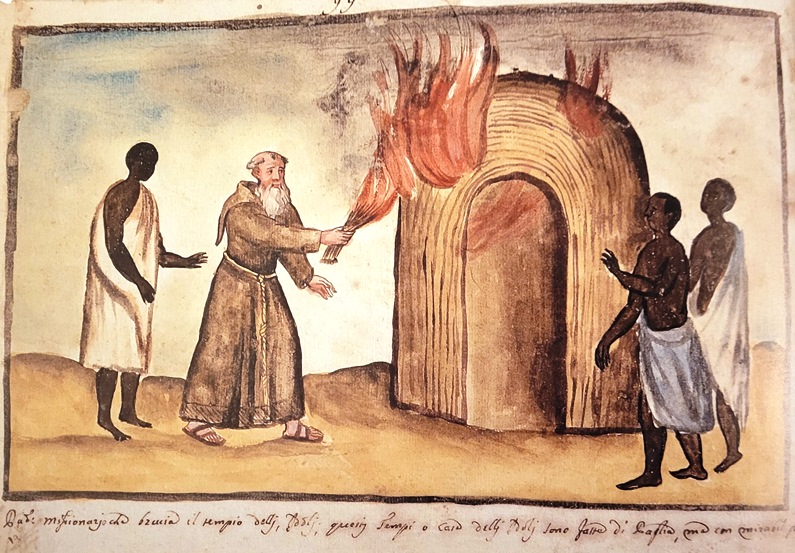

Il corso ha l'obiettivo di fornire gli strumenti essenziali a capire l'importanza della tecnologia nucleare e della sua diffusione nelle relazioni internazionali. L'approccio storico garantisce la comprensione dell'evoluzione del fenomeno nei suoi molteplici aspetti riguardanti la politica di potenza, i rapporti di alleanza e più, in generale, la stabilità/instabilità internazionale. Il corso si articola in una parte introduttiva, volta a facilitare l’acquisizione da parte degli studenti delle nozioni di base del funzionamento dei processi essenziali in tale ambito tecnologico, alla quale si aggiunge una ben più articolata ricostruzione storica. Essa va dalla scoperta delle conoscenze necessarie allo sfruttamento a fini militari dell'energia atomica agli aspetti politici e politico-militari che ancora oggi fanno dell'aspirazione a sviluppare un arsenale nucleare una delle problematiche più rilevanti e dibattute in ambito internazionale.
La frequenza in classe è fortemente consigliata.
La frequenza in classe è fortemente consigliata.
- Docente: Marilena Gala
- Docente: ALBERTO BASCIANI
- Docente: Michele Di Donato
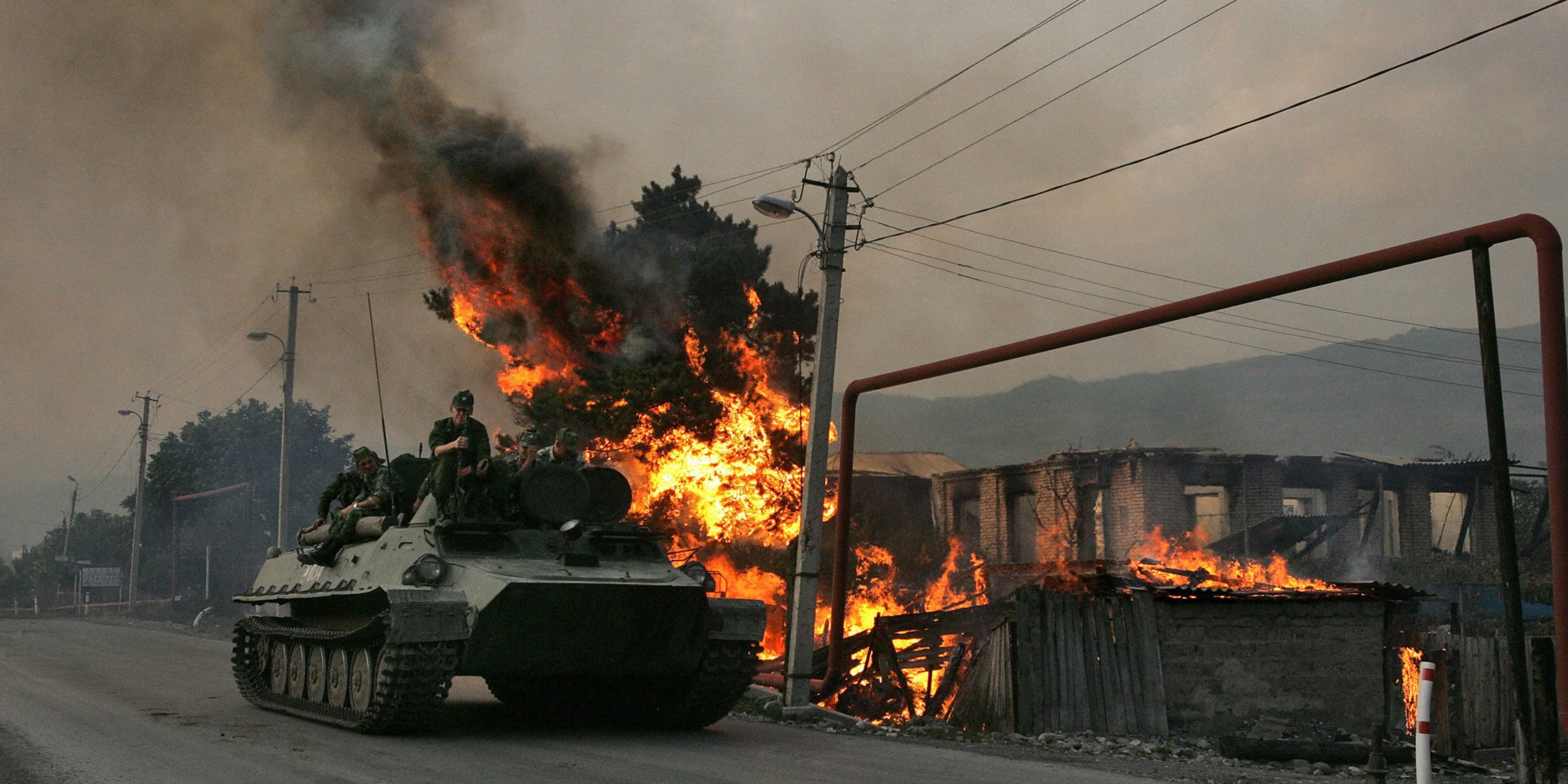
l corso si prefigge l'obiettivo di fornire agli studenti gli strumenti per analizzare le principali linee evolutive del sistema internazionale, a partire dagli anni '80 - con il processo di collasso dell'Unione Sovietica e fine della Guerra Fredda - fino al contesto più recente. Particolare attenzione sarà data a un'analisi delle cause della fine della Guerra Fredda e alle principali crisi internazionali succedutesi dagli anni '90 in poi. Aspetti importanti da analizzare saranno: il ruolo dell'ONU durante il periodo analizzato (bilancio delle missioni di peacekeeping), l'attività della NATO nel contesto post-Guerra Fredda, l'evoluzione della politica estera americana e i tentativi di formazione di una politica estera e di sicurezza comune in Europa. Altri temi affrontati, relativi all'inizio del XXI secolo, saranno l'affermazione sulla scena internazionale di "nuove" potenze, quali Cina e India (e le sue conseguenze), e le maggiori problematiche e sfide relative agli armamenti nucleari.
- Docente: Giordana Pulcini
- Docente: Valerio Gatta
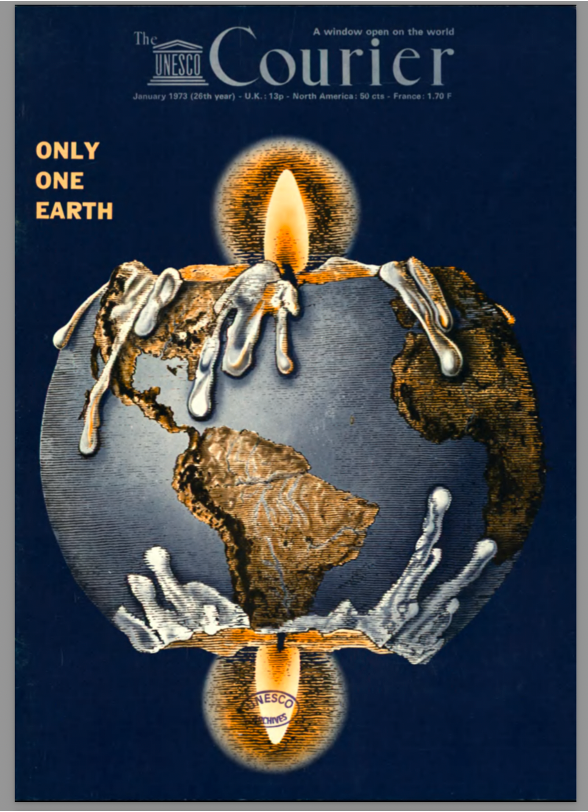
The course aims at enhancing the students’ knowledge and understanding of the roots and evolution of global environmental governance, as well as providing them with the methodological tools for historical and political analysis.
The course investigates the beginnings and evolution of the European Community/European Union's environmental policy from the 1970s to the present.
It further analyses the role of the EC/EU in shaping global environmental governance and the implications of the international discourse on sustainable development in European politics, from the late 1960s to the present.
The course deals with the evolving concepts of energy security and transition in Europe’s debates, at the national, intergovernmental and supranational level; it analyses the rise of the European sustainability agenda, across different EC/EU policy areas; and focuses on the intersection between the United Nations’ multilateral dimension of environmental governance and the EU’s.
Students will be engaged in studying the complexity of such challenges as climate change and the depletion of global commons with a view to their international politics consequences. They will also be provided with the analytical tools to understanding the development of multilateral and regional institutions, as well as governmental and non-governmental actors; and to assessing the EU’s political and economic response to such challenges in the last few decades.
The course is structured in 3 parts
1) An overview of the European Union’s politics, history, institutional developments, and environmental policies
Main topics: The EU today; European integration processes from the European Community of the 1970s to the EU of the 2000s. The roots of the EU environmental policy within the context of its energy policy and external relations.
2) The making of the global environmental governance: an international history perspective. The role of the EU in global environmental governance
Main topics: Globalized environmentalism and environmental policies in Europe and the US, from the Stockholm Conference of 1972 to the Paris Agreement of 2015: from conservation to sustainable development; multilateral negotiations and agreements.
Global-scale environmental challenges, climate change and the international role of the EU in the 1990s and 2000s.
3) Students’ class presentations (May 2026) and final oral exam
(See list of required and recommended readings/bibliography)
Students will be graded based on the following:
A) An individual oral presentation in class (NO POWER POINT, NOR OTHER SLIDES, 15 minutes) based on one essay each student will choose from the following book
Kaiser Wolfram, Meyer Jan-Henrik (eds), International Organizations and Environmental Protection. Conservation and Globalization in the Twentieth Century, New York, Berghahn Books, 2016
B) A RESEARCH PROJECT IN TEAM WORK (POWER POINT/SLIDES ALLOWED, 15 minutes) on one of the course's topics (please, inform your Prof. of the chosen topic by April 15, 2025)
Presentations will take place IN MAY
A) and B) together will count for 50% of grade component
C) INDIVIDUAL ORAL EXAM based on both the following required readings,
Jordan Andrew, Gravey Viviane(eds), Environmental policy in the EU: actors, institutions and processes, (fourth edition), London, Routledge, 2021, pp. 1-276
Afionis Stavros, The European Union in International Climate Change Negotiations, London, Routledge, 2017
This part counts for another 50% of grade component
The course investigates the beginnings and evolution of the European Community/European Union's environmental policy from the 1970s to the present.
It further analyses the role of the EC/EU in shaping global environmental governance and the implications of the international discourse on sustainable development in European politics, from the late 1960s to the present.
The course deals with the evolving concepts of energy security and transition in Europe’s debates, at the national, intergovernmental and supranational level; it analyses the rise of the European sustainability agenda, across different EC/EU policy areas; and focuses on the intersection between the United Nations’ multilateral dimension of environmental governance and the EU’s.
Students will be engaged in studying the complexity of such challenges as climate change and the depletion of global commons with a view to their international politics consequences. They will also be provided with the analytical tools to understanding the development of multilateral and regional institutions, as well as governmental and non-governmental actors; and to assessing the EU’s political and economic response to such challenges in the last few decades.
The course is structured in 3 parts
1) An overview of the European Union’s politics, history, institutional developments, and environmental policies
Main topics: The EU today; European integration processes from the European Community of the 1970s to the EU of the 2000s. The roots of the EU environmental policy within the context of its energy policy and external relations.
2) The making of the global environmental governance: an international history perspective. The role of the EU in global environmental governance
Main topics: Globalized environmentalism and environmental policies in Europe and the US, from the Stockholm Conference of 1972 to the Paris Agreement of 2015: from conservation to sustainable development; multilateral negotiations and agreements.
Global-scale environmental challenges, climate change and the international role of the EU in the 1990s and 2000s.
3) Students’ class presentations (May 2026) and final oral exam
(See list of required and recommended readings/bibliography)
Students will be graded based on the following:
A) An individual oral presentation in class (NO POWER POINT, NOR OTHER SLIDES, 15 minutes) based on one essay each student will choose from the following book
Kaiser Wolfram, Meyer Jan-Henrik (eds), International Organizations and Environmental Protection. Conservation and Globalization in the Twentieth Century, New York, Berghahn Books, 2016
B) A RESEARCH PROJECT IN TEAM WORK (POWER POINT/SLIDES ALLOWED, 15 minutes) on one of the course's topics (please, inform your Prof. of the chosen topic by April 15, 2025)
Presentations will take place IN MAY
A) and B) together will count for 50% of grade component
C) INDIVIDUAL ORAL EXAM based on both the following required readings,
Jordan Andrew, Gravey Viviane(eds), Environmental policy in the EU: actors, institutions and processes, (fourth edition), London, Routledge, 2021, pp. 1-276
Afionis Stavros, The European Union in International Climate Change Negotiations, London, Routledge, 2017
This part counts for another 50% of grade component
- Docente: Laura Fasanaro